Nursery accessories that make setup easier
Getting a nursery ready can feel like a long list of small decisions, especially when you are trying to work out which accessories will actually help once your baby arrives. The easiest way to narrow your options is to focus on what will fit your space, what will work with the furniture you already have, and what you will reach for every single day. A lovely nursery is one thing, but a practical one saves time during early mornings, night-time changes and those busy moments when one hand is already occupied.
When you start with the essentials, you can build a room that supports daily routines without cluttering every surface. Think about the areas you will use most: the cot, the changing station, shelves, drawers and the chair where you may feed, settle or hold your baby. The right accessories help each zone do its job properly. That could mean a caddy beside the changing table for nappies and creams, a storage basket on a shelf for muslins and spare bedding, or a soft mat cover that is comfortable against delicate skin.
This practical approach also helps with your budget. Rather than buying a large set simply because it looks coordinated, you can compare dimensions, fit and everyday use first. That way, you are more likely to pick accessories that work from day one and continue to be useful as routines change.
Start with fit and compatibility
Before you look at colours or prints, measure the nursery. It sounds obvious, but many accessory issues come down to size. A basket that is too deep for a shelf wastes space at the front. A changing mat cover that does not match the shape of your mat can bunch up during use. A storage unit that blocks access to the cot makes night-time checks more awkward than they need to be.
Focus on the pieces that need a precise fit. These usually include:
- changing mat covers matched to the length, width and depth of your mat
- storage baskets sized for shelves, drawers or cubby units
- cot organisers and accessory pockets that suit the frame safely and securely
- blanket and bedding storage that fits under a cot or inside a wardrobe
- portable caddy options that can move from room to room without being too heavy once filled
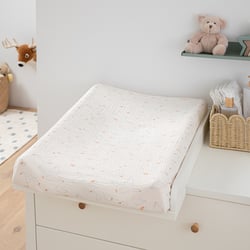
If you are choosing a wedge support, liner or fitted textile for the changing area, check whether your mat is flat, contoured or wedge-shaped. A wedge design can be useful if you want a slightly raised changing surface, but the cover needs to sit neatly over the shape. If the fit is too loose, fabric can move under your baby during a nappy change, which is inconvenient and can mean more washing.
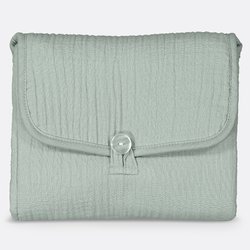
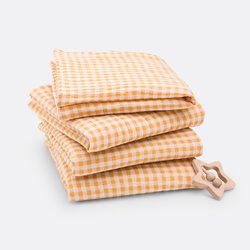
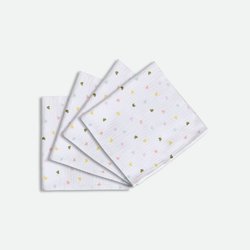
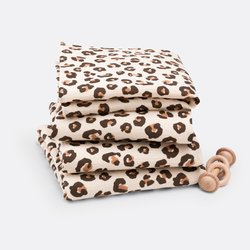
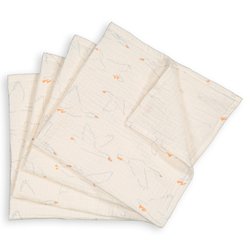
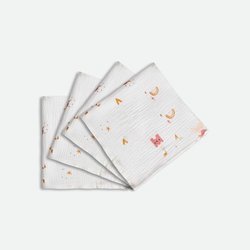
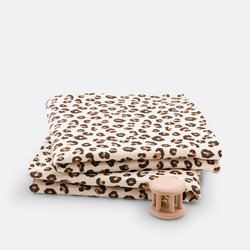
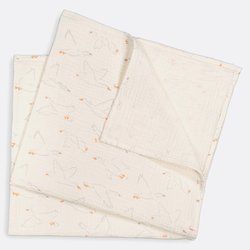
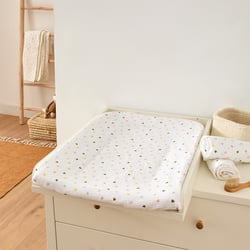
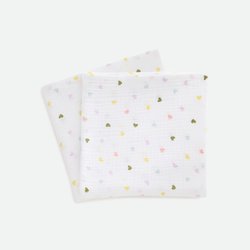
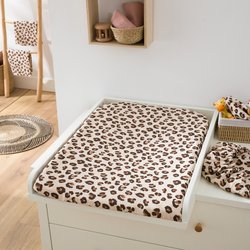
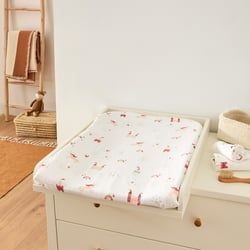
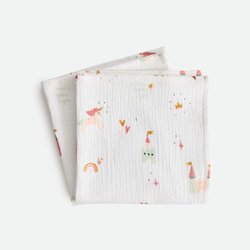
At La Redoute, the Pack of 2 Kumla Changing Mat Covers - LA REDOUTE INTERIEURS offers a practical option for daily use, as the Kumla cotton muslin changing mat covers are very absorbent, soft and comfortable. A pack of two is especially handy when one cover is in the wash and you still need a clean one ready for the next changing routine.
Think in zones for everyday use
One of the simplest ways to choose nursery accessories is to divide the room into activity zones. This keeps your decisions grounded in real use rather than decoration alone. If an item does not support a task, it may not earn its place.
The changing area
This is often the busiest spot in the room, so accessories here need to be easy to reach, easy to clean and quick to restock. A changing station works best when you can organise nappies, wipes, and lotions beside the changing table without stacking them in a way that topples over. A compact caddy with separate compartments can hold a regular supply of nappies, wipes, cream, cotton pads and a spare muslin cloth. If you use a changing mat on top of a dresser, measure the top surface first so the mat sits securely with enough room for a small lamp or a narrow basket if needed.
Keep a spare mat cover folded in the same area. Babies often need more than one outfit and more than one cover in a single day, so this is not an extra for show; it is a practical backup. If your changing area is in a corner, choose accessories with rounded shapes or soft textile finishes so the space feels less cramped when you are moving quickly.
The sleeping area
Near the cot, accessories should support rest rather than create visual noise. Bedding, a lightweight blanket and a small basket for night-time essentials can all be useful, but be selective. You might use a lidded basket nearby for spare fitted sheets, a sleep bag and an extra muslin. This keeps the wardrobe from becoming overfilled and means you are not searching through stacks of baby items in the dark.
When choosing bedding accessories, check the cot dimensions carefully. Cot sheets, protectors and textile storage all depend on the mattress size. If you buy a decorative set without checking measurements, you may end up with pieces that do not sit flat or that are awkward to fold into the space available. A good nursery setup is less about having more accessories and more about each one fitting where it should.
The storage and shelf area
Open shelving can be helpful, but only if the accessories keep it organised. It is much easier to keep nursery shelves tidy with baskets for baby essentials than to leave creams, socks, bibs and small toys loose on display. Choose baskets based on what they will hold. A shallow basket works well for muslins and bibs, while a deeper one can store folded bedding or a larger pack of nappies.
If your shelves are narrow, look for straight-sided baskets rather than rounded ones, as they usually make better use of the full width. If you prefer a softer look, textile baskets are gentle on small hands and can be easier to lift down one-handed while holding your baby. Hard-sided baskets may suit heavier items, but check the shelf depth so they do not overhang.
Materials that suit daily nursery routines
Materials matter because nursery accessories are handled often and washed regularly. Soft cotton and cotton muslin are reliable choices for changing covers, cloths and certain storage liners because they feel comfortable against the skin and are generally straightforward to care for. A changing cover, for example, needs to cope with frequent laundering while staying pleasant to use several times a day.
Some parents like to add a cashmere blanket for special cuddles or feeding time in a chair, but for regular nursery use, think about whether the item can cope with frequent handling and cleaning. A delicate blanket may be lovely for supervised use, yet less practical as an everyday layer that is moved between rooms. In contrast, a more durable baby blanket may suit daily naps, buggy use or quick warmth after a bath.
For storage accessories, consider wipeable finishes in areas where lotions, water or nappy cream are used. Fabric-lined baskets can look soft and inviting, but if they sit right beside the changing station, a wipe-clean caddy may be easier to maintain. In a shelf area used mainly for bibs, pacifiers and soft toys, a textile basket is often a comfortable choice.
What to prioritise when comparing accessories
When you are deciding between two similar products, use a simple checklist. It keeps the choice practical and avoids buying pieces that look useful but do not fit your routine.
- Size: will it fit the shelf, dresser, drawer or cot area without crowding?
- Capacity: does it hold a realistic amount, such as one day’s nappy supply or several muslins?
- Care: can you wash it or wipe it clean easily?
- Portability: can you carry it one-handed if needed?
- Compatibility: does it suit your existing furniture, mat or storage layout?
- Use over time: will it still be useful in a few months for toys, bibs or books?
This is also where price becomes easier to judge. A low price can be appealing, but if the accessory does not fit your nursery properly, it may end up unused. Equally, a higher price only makes sense if the item solves a daily problem. If a sale helps you buy a second cover, an extra basket or a matching storage set that you know will be used every day, that can be a sensible way to save without adding clutter.
Small accessories that make a big difference
Some of the most useful nursery accessories are not the largest pieces. They are the ones that reduce small frustrations during the day. A well-designed caddy means you are not leaving the room halfway through changing. A basket near the chair lets you store pacifiers, bibs, and teething toys within easy reach instead of searching across different drawers. A spare changing cover means one accident does not disrupt the whole setup.
These details become even more helpful if your nursery is compact. In a smaller room, every accessory should earn its place. A slim basket under the cot can hold spare bedding. A shelf-top organiser can separate lotions from bath products. A narrow mat with the right cover can fit better on a dresser, leaving enough surface for a folded towel or a small lamp.
If you are shopping for a new nursery or updating an existing one, it can help to compare these practical pieces alongside other parts of the home. You may already be browsing home decor for colour ideas, or looking at accessories & furnishings to coordinate storage across different rooms. Some families also like to keep a calm corner for feeding with soft textiles that connect visually with self care & wellbeing choices elsewhere in the home.
How to build a parent-friendly selection
A parent-friendly nursery selection is one that supports tired mornings, fast changes and constant tidying without demanding too much effort. Start with the accessories you will use several times a day, then add a few that improve order and comfort. For many families, that means:
- a changing mat cover pack
- a nappy caddy
- shelf baskets
- storage for bedding and blanket extras
- a small organiser for bibs, pacifiers and baby toys
You do not need every item to match exactly. What matters more is that the sizes work together and that the accessories suit your routine. For example, if grandparents help with childcare, clearly separated baskets can make everyday tasks easier for everyone. If your baby sleeps in your room at first, a portable caddy and a compact storage basket may be more useful than a large nursery set straight away.
It can also be useful to think ahead. Baskets first used for nappies may later hold toys or books. A soft storage bag may begin with muslins and then move on to laundry or spare kids & baby clothing & shoes. If you are preparing for a family event, you may even use separate nursery storage to keep special occasionwear & formalwear clean and easy to find. And if you enjoy seasonal styling in the rest of the home, from spring summer tableware styles to bedroom updates, the nursery can still stay practical at its core.
Making the final choice
When you are ready to buy, picture one ordinary day in the nursery. Where will you place the nappy pack? Where will the wipes go? Is there room for a spare changing cover? Can you reach the lotions without leaning across your baby? Will the basket on the shelf actually fit folded bedding, or only a few small items? These are the questions that lead to better choices.
The best nursery accessories are not simply decorative extras. They help the room function smoothly, support your routine and fit the furniture you already have. By focusing on fit and compatibility, practical dimensions and materials that suit regular use, you can create a nursery that feels organised from the start and easier to manage every day after that.
Whether you are buying one useful mat cover, a storage set, a caddy for changing essentials or baskets for baby toys and bedding, choosing with purpose helps you save space, save time and make the nursery work harder for you.